
Do Mushroom Supplements Really Work? Here Is What You Need to Know
Mushroom supplements have become increasingly popular in recent years due to the recognition of their health benefits. Dietary supplements such as mushroom preparations are intended to give consumers a convenient option for boosting their health and wellness. According to the 2021 Council for Responsible Nutrition’s (CRN) Consumer Survey on Dietary Supplements, four out of five Americans now use supplement products. But before you make the decision to incorporate a mushroom supplement into your regular routine, it’s helpful to understand both the potential benefits and potential risks.
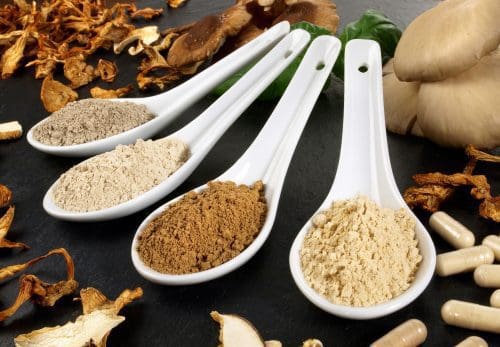
Mushrooms are an ancient dietary staple that has been used in cultures worldwide for thousands of years, primarily as an ingredient in traditional dishes. Modern research is beginning to reveal new benefits from the various compounds found in mushrooms—benefits that may be obtained via supplementation of certain varieties. The particular variety and dosage must be carefully considered when selecting a mushroom supplement; otherwise, ineffective levels of active compounds will not yield any noticeable results or, worse yet, could cause adverse reactions or dangerous interactions with other medications. Ultimately, when looking for a mushroom supplement, individuals must ensure they get one from a reputable source and enclose all relevant safety information before consumption.
Mushroom supplements have become increasingly popular for their potential medicinal properties due to a wide variety of beneficial compounds found in many of the mushrooms that are most widely used for dietary supplementation. Mushroom supplements come in two main categories: dried and milled whole-food mushroom powder and extractions of the desired compound or active ingredients like beta-glucan polysaccharides. Whole food mushroom powder contains all the nutrients and bioactive compounds from each stage of the mushroom’s full cycle, including both the mycelium and fruiting bodies. Extracts, on the other hand, contain a set dosage standardized by whichever active compound is extracted from the mushroom traditionally via hot water or alcohol extraction methods.
These extracts can either be packaged in liquid form or dried out as an extract powder before being sold as an integrated supplement source. Mushroom supplements are available in various forms, making incorporating them into daily wellness routines easy. They are considered superfoods and offer desired health benefits associated with different species of medicinal mushrooms, making them a popular health supplement choice.
Mushroom supplements offer a convenient way to add the nutrition found in mushrooms to your daily diet. Each mushroom species provides low-calorie benefits with powerful antioxidants, beta-glucan polysaccharides, and prebiotic fiber. These properties can help balance free radicals, support the immune system and body’s response to inflammation, and promote positive microbial activity in the gut for overall wellness. While whole-food mushrooms can require time and preparation for daily use, functional mushroom supplements are now widely available for easy incorporation into a healthful routine.
Concentrated capsules are made from top-quality varieties that provide essential vitamins and minerals to help you reach your dietary goals. Whether looking to boost immunity or combat oxidative stress, full spectrum mushroom extracts are readily available since many products now come formulated with USDA Certified Organic ingredients and other natural extracts for additional support. Mushroom supplement users have also reported improved digestion, better sleep, more energy, mental clarity, and even lower stress levels due to regular use – but of course, each person may experience different results when taking any supplement.
Mushrooms have been used for centuries as dietary supplements, offering numerous health benefits when taken regularly. Taking mushroom supplements daily stimulates the body to produce immunity-boosting compounds, which serve to fight off infections and keep us healthy. Additionally, the compounds found in mushrooms have been indicated in studies to nourish and protect cells from damage, improve skin health, and even reduce inflammation.
For these reasons and more, taking mushroom supplements is becoming increasingly popular. However, for those who are just starting out with a supplement regimen, it may be difficult to know how long it will take to start seeing improvements in their health. Fortunately, it typically takes only two to three weeks of consistent supplementation with mushrooms before the body begins to adapt and reap the benefits of the compound’s nutrients and active ingredients. The recommended dose can vary from one to two grams of good-quality mushroom powder or a comparable dose of one to several capsules daily. If taking a tincture, one or two droppers may be recommended, based on preparation. Always be sure to check each supplement’s packaging for proper dosing information. Taking two doses per day can accelerate this process. With just a few weeks of regular supplementation, you can give your body a boost and start feeling healthier almost immediately!
Functional mushrooms have become incredibly popular in recent years due to their wide variety of potential health benefits. It turns out the secret behind this ability to improve our human physiology isn’t magic at all, but rather the unique compounds contained within the mushroom which interact with our cells in specific ways. Like different species of mushrooms tend to have different characteristics and flavors, they can also produce molecules with slightly different shapes and sizes, affecting us differently depending on the type of mushroom. That’s why certain fungi are thought to help support immunity while others promote mental well-being or energy levels.
But some beneficial compounds go beyond just single varieties of mushrooms. Groups like polysaccharides and triterpenes contain a broad range of molecules that offer a multitude of therapeutic effects, from immunomodulation to free radical scavenging and even anti-cancer abilities. The research being done continues to shed light on how these medicinal powers are manifested so we as a society can benefit from these ancient remedies for years to come.
Mushroom FAQs: What to know before you explore
Mushroom blends and mushroom-inspired products are some of the most talked-about botanicals in wellness right now, and some of the most confusing to shop for. Labels vary. Claims range from sensible to wild. It isn’t always clear what you’re actually buying.
This page is here to slow things down. Below you’ll find clear answers to the questions we hear most: what these products are, whether they work, how they tend to feel, and how to explore them responsibly. We’ve kept the language grounded, named what the science still hasn’t settled, and skipped the hype. Take your time, and start wherever makes sense for you.
The basics
“Mushroom-inspired,” “mushroom blend,” and “functional mushroom” are terms you’ll see often, and they don’t all mean the same thing. That’s part of why shopping for them can feel murky, so it’s worth sorting them out before you buy.
Some products contain actual mushroom material or extracts. Others are inspired by mushrooms, built around complementary botanicals or formulated to pair with mushroom extracts. The category most people start with is functional mushrooms: varieties like lion’s mane, reishi, cordyceps, and chaga. These have a long history of traditional use and are valued today for their place in everyday wellness routines rather than for any dramatic, immediate effect.
A “mushroom blend” is a related but distinct idea. It simply means more than one ingredient has been combined into a single product. That could be several functional mushrooms together, such as lion’s mane and cordyceps in a daytime-leaning formula, or mushrooms alongside other botanicals chosen to round out the experience. Blends come in many formats too, including gummies, capsules, powders, and chocolates.
Two things are worth keeping in mind. The word “mushroom” on the front of a package tells you the theme, not the contents, so the ingredient list is what really matters. And “blend” is not a standardized term, which means one brand’s blend can look nothing like another’s in both ingredients and amounts. Treat each product on its own terms.
If you’re new to the category, you can compare current formulas on the mushroom blends collection page.
This is the honest question, so here’s an honest answer. It depends on what you mean by “work,” and the picture is still coming into focus.
We think it’s most useful to frame these products three ways. The first is traditional use. Many functional mushrooms have been used for centuries in various wellness traditions, which tells us people have valued them for a long time. The second is customer-reported experience. Many people tell us they notice a subtle sense of calm clarity, or simply feel that something fits well into their daily rhythm. The third is emerging research. Scientists are actively studying compounds in several functional mushrooms, and early findings are interesting.
Here’s the part the hype usually skips. The research is still catching up. Much of it is early, some is preliminary, and a lot of questions don’t have settled answers yet. So if a product promises to fix, cure, or transform anything, that’s a reason to be skeptical, not excited.
What’s reasonable to expect is something gentle and personal: an addition to your routine that you evaluate over time rather than a switch that flips. If you’d like to know more about how we approach sourcing and quality, our about us page is a good place to start.
What to expect
There’s no single timeline here, and honestly, “feeling” something isn’t always the goal.
For functional mushrooms used in daily routines, many people describe the experience as cumulative and subtle, something they associate with consistency over days or weeks rather than a noticeable hit within an hour. It’s less “I feel it now” and more “this has become part of my day.” For faster-acting formats or more potent ingredients, some people report noticing something the same day, though individual responses vary widely.
A few things shape the timing: the product type, the specific ingredients, the serving size, your own body and metabolism, and whether you’ve eaten. Two people taking the same product can have genuinely different experiences.
Our suggestion is simple. Start gentle, give it time, and pay attention to how your body responds rather than chasing a specific sensation on a specific schedule. Format plays a big role in onset, which is exactly what the next question covers.
The format you choose changes more than convenience. It changes how the product fits your day and how the experience tends to unfold. Here’s a quick comparison of common types.
Gummies and chocolates: Familiar and easy, with no measuring. A comfortable entry point if you’re new and want something approachable.
Capsules: Routine-friendly and consistent, with a fixed serving each time. Good for people who like predictability.
Powders: The most flexible for dosing, and easy to stir into coffee, tea, or a smoothie. They invite a bit of ritual.
Syrups and tinctures: Often faster-acting and easy to adjust serving by serving.
Dried or whole mushrooms: The least processed option, and the most hands-on to prepare.
None of these is more “correct” than the others. They just feel different and fit different lives. If you like ritual, a powder might suit you. If you want grab-and-go simplicity, a gummy or capsule probably wins. Browse by format on our shop page to see what fits.
Important ingredient notes
This one deserves your full attention, because Amanita muscaria is not the same as the functional mushrooms discussed above, and the difference matters.
Functional mushrooms like lion’s mane and reishi are valued for everyday wellness and are not psychoactive. Amanita muscaria is different. It is a psychoactive mushroom, its effects are noticeably stronger and different in kind, and it contains compounds called muscimol and ibotenic acid that must be properly processed to be prepared responsibly. Raw or improperly prepared material is not something to experiment with.
Because of all this, a few rules of thumb apply more strictly here.
Start with the lowest suggested serving, and don’t rush to increase it.
Pay close attention to how your body responds, and give effects time before considering more.
Check your local laws. The legal status of Amanita muscaria varies by state and locality.
Talk to a healthcare professional first if you take any medication or have a medical condition.
We mention all of this plainly because we’d rather you be informed than impressed. If you’d like to look closer, you can see current options on our Amanita collection page.
Fitting it into your life
For most people, yes, and the format usually does the heavy lifting.
If you’re drawn to functional mushrooms for daily wellness, products like capsules or powders tend to slot easily into an existing habit: morning coffee, a smoothie, the same moment each day. If you’re more interested in occasional use, a gummy or tincture you reach for now and then may fit better. There’s no single right rhythm here.
The thing worth keeping in mind is that consistency tends to matter more than intensity, especially with functional mushrooms used over time. So rather than asking how much you can take, it’s often more useful to ask when you’ll realistically remember to take it.
Start with something that fits the life you already have. You can always adjust. The next question on timing can help you find a window that sticks.
Frequency depends on the product, the ingredients, and you, so the best guide is always the label in front of you.
Many functional mushroom products are designed with daily or regular use in mind, and the packaging will tell you what’s suggested. Other products, especially stronger or psychoactive ones, are meant for occasional use rather than daily routine. Following the product-specific guidance is the simplest way to stay on solid ground.
Our broader advice is to start gentle and build slowly, if you build at all. There’s rarely a reason to rush. Use the lowest suggested frequency first, see how it sits with you over a week or two, and adjust from there based on what you actually notice.
If you take medication or have a health condition, check with a qualified healthcare professional before settling into any regular routine. They can speak to your situation in a way a label can’t.
The best time depends on what the blend is built for and how its format behaves.
Some blends lean toward daytime use. Formulas oriented around focus or steady energy often suit mornings or early afternoons. Others lean toward evening, with ingredients meant to bring a softer edge to the end of the day. The product description and ingredient profile are your best clues about which window the formula was designed for.
Format matters too. Faster-acting types like tinctures or syrups give you more say over timing, while slower formats are easier to anchor to a fixed daily moment. Many people simply tie their serving to an existing habit so they don’t forget.
When in doubt, match the product to the part of your day you’re hoping to support, start gentle, and notice how it feels. See why product type matters for more on how formats differ.
Using responsibly and choosing well
Responsible use starts with one habit: begin with the lowest suggested serving on the label, and give it time before considering more.
This matters because individual responses vary, and you can always take a little more next time. You can’t take less after the fact. Following the product’s own guidance is the most reliable approach, since serving sizes differ a lot between formats and ingredients.
A few general principles help across the board.
Read the label and follow its suggested serving and frequency.
Pay attention to how your body responds before adjusting.
Be cautious about combining products, including with alcohol or other botanicals.
Remember that botanicals can interact with medications. Kanna and SSRIs are one well-known example, but the general point stands across plant medicine. If you take anything regularly, check first.
When in doubt, less and slower is the steadier path. If you have any questions about what’s right for you, a qualified healthcare professional is the best resource.
Most people who use these products as directed tolerate them well, but everyone’s body is different, and a few honest considerations are worth keeping in view.
Some people may notice mild digestive discomfort, drowsiness, or other individual reactions, particularly when starting something new or using a larger serving. Psychoactive products like Amanita muscaria carry their own set of stronger considerations and deserve extra care. Because botanicals can interact with medications, combining products, or adding one to an existing prescription routine, is something to approach thoughtfully rather than casually.
A few groups should be especially careful. If you are pregnant, nursing, taking medication, or living with a medical condition, please talk with a qualified healthcare professional before using these products. The same goes if you simply have questions about whether something is right for you.
None of this is meant to alarm you. It’s the same care you’d bring to anything new you put in your body: informed, unhurried, and attentive.
With so many options, choosing gets easier when you work through a few questions in order.
What’s your goal? Daily wellness, occasional use, daytime focus, or evening wind-down? This narrows the field quickly.
What format fits your life? Revisit why product type matters. A gummy, capsule, powder, and tincture each suit different routines.
How experienced are you? Newcomers are usually best served by gentle, familiar formats and lower suggested servings.
Is the label transparent? Look for clear ingredients, amounts, and sourcing. Vague “proprietary blend” labels with no detail are worth questioning.
Transparency is where we’d encourage you to be picky. A product that tells you exactly what’s inside, where it came from, and how it was tested gives you more to work with than one that leans on marketing. If you have questions about a specific product, you’re always welcome to reach out through our contact us page, or compare options across the shop page.
We built Purely Found for exactly the kind of careful, curious shopping this page encourages: clear information, honest sourcing, and language that respects your intelligence. We’d rather you feel informed than impressed, every time.
If you’re ready to look closer, take your time and start gentle.