
Kava
Showing all 13 resultsSorted by popularity
-

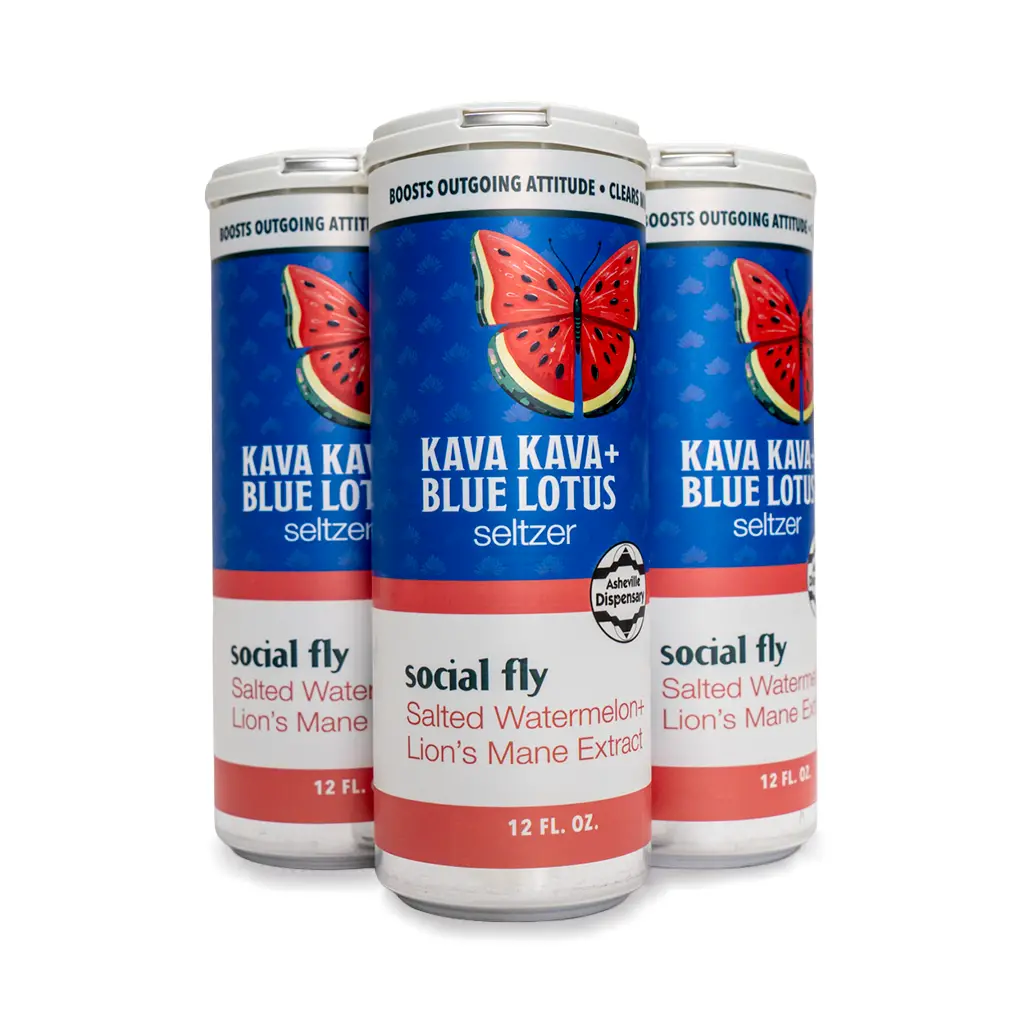
Asheville Dispensary Kava & Blue Lotus Seltzer 4-Pack – Social Fly
$21.95 -
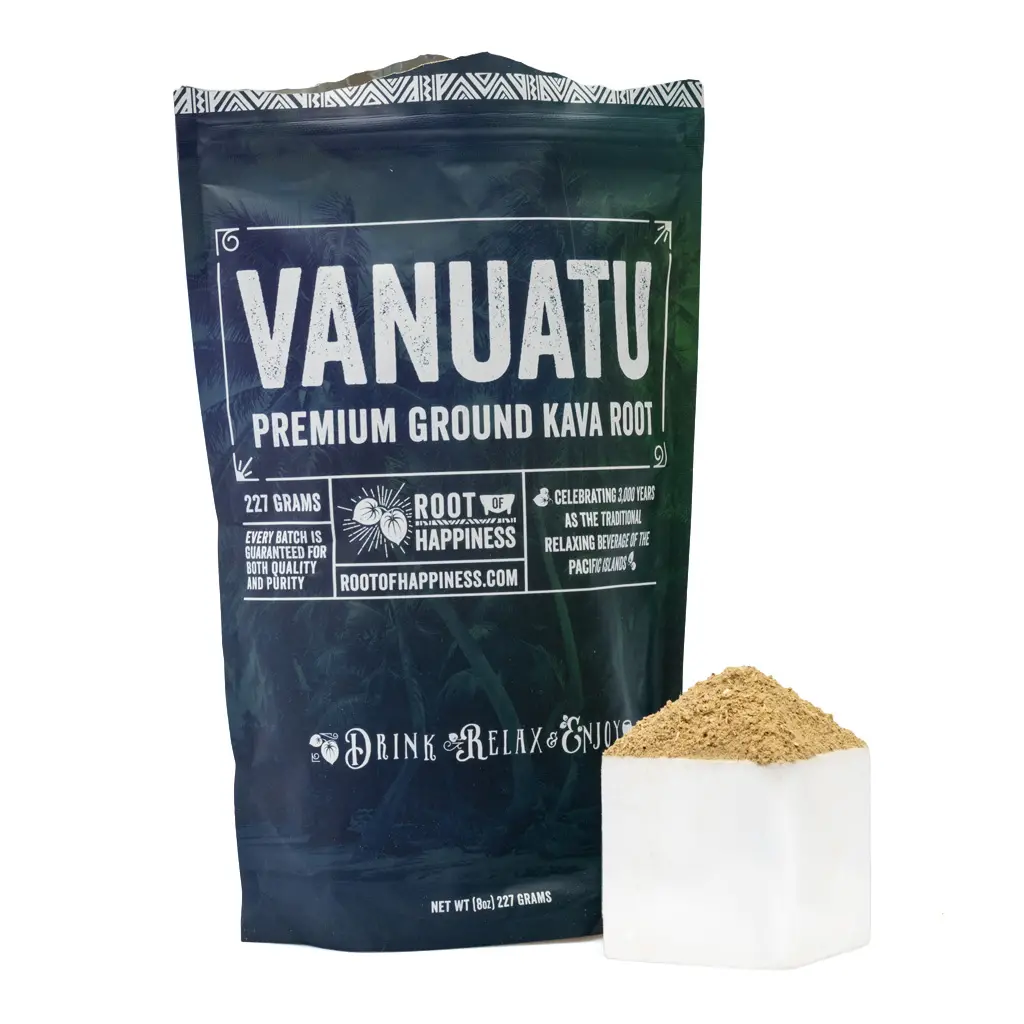
Root of Happiness Premium Ground Kava Root – Vanuatu
$34.95 -
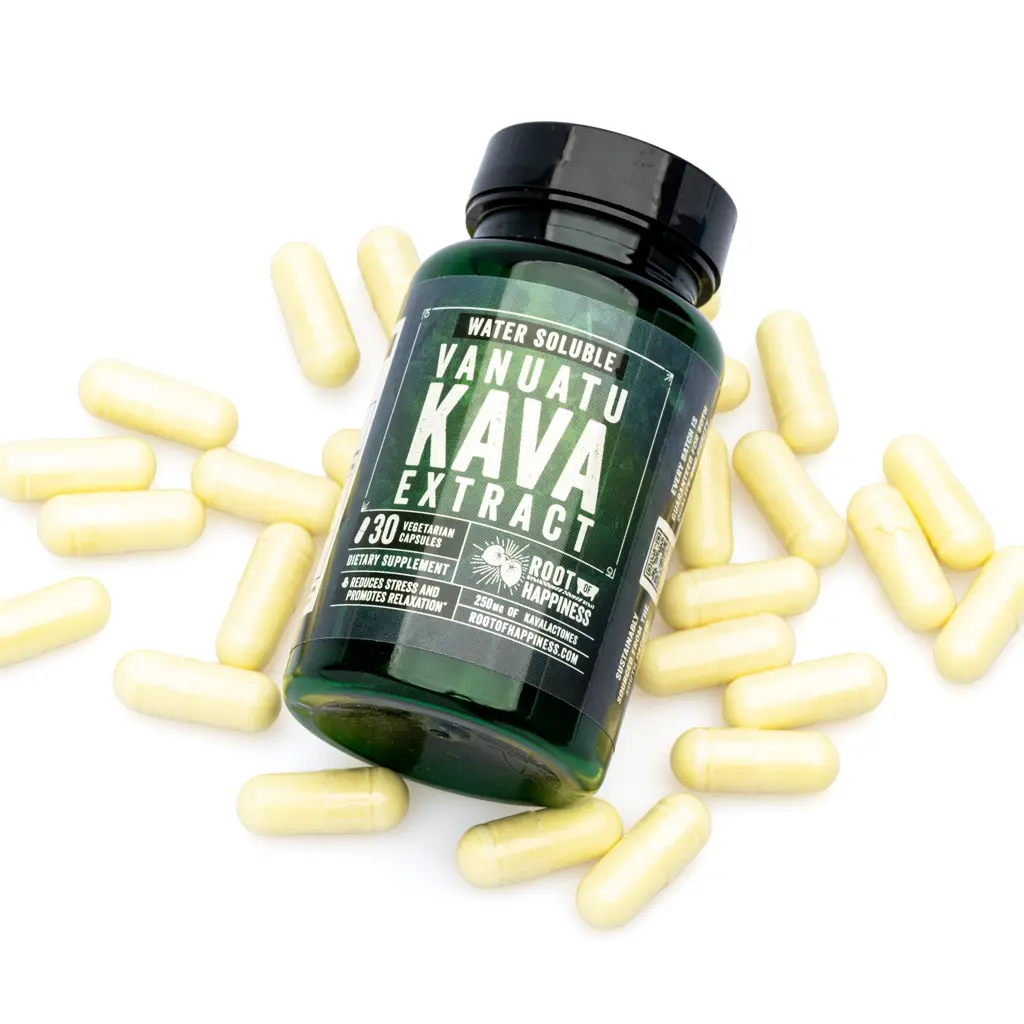
Root of Happiness Premium Kava Root Extract Capsules – Water Soluble Vanuatu
Original price was: $29.95.$27.95Current price is: $27.95. -
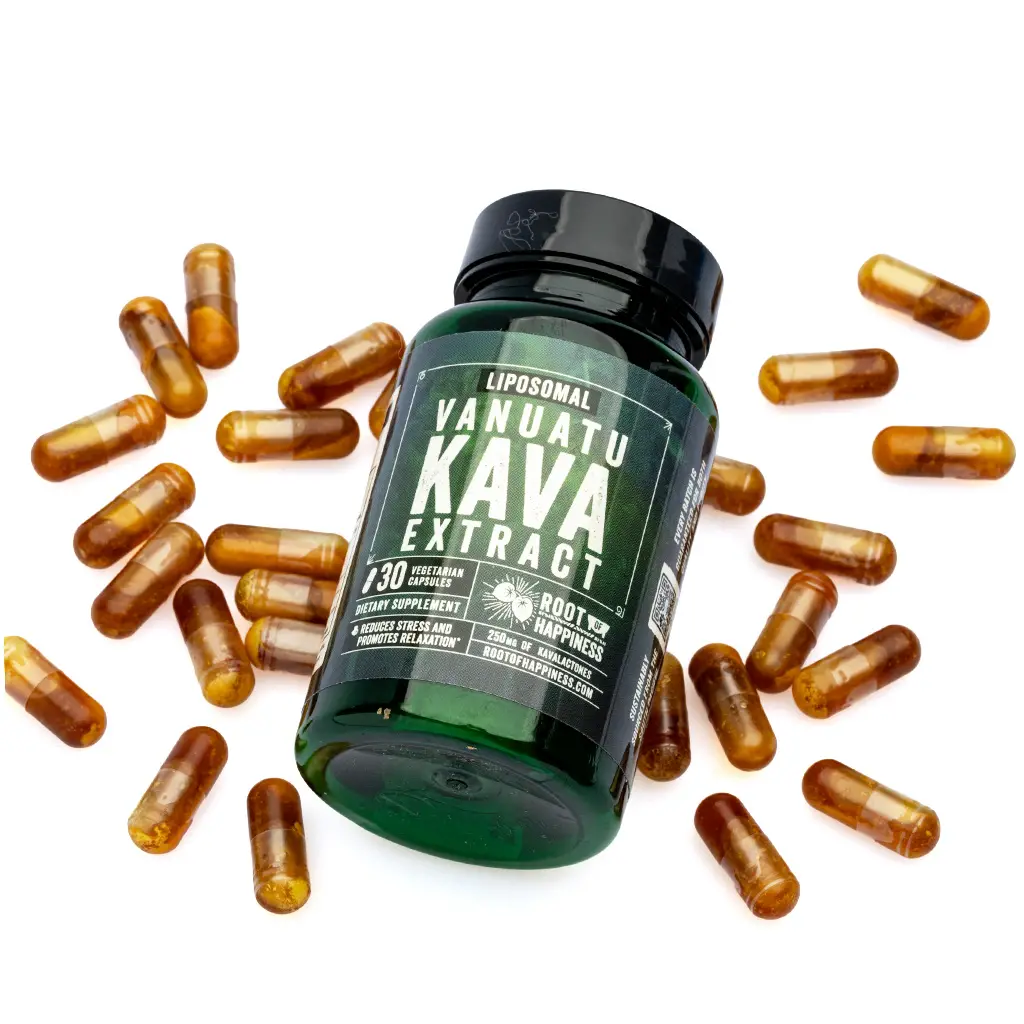
Root of Happiness Premium Kava Root Extract Capsules – Liposomal Vanuatu
$29.95 -
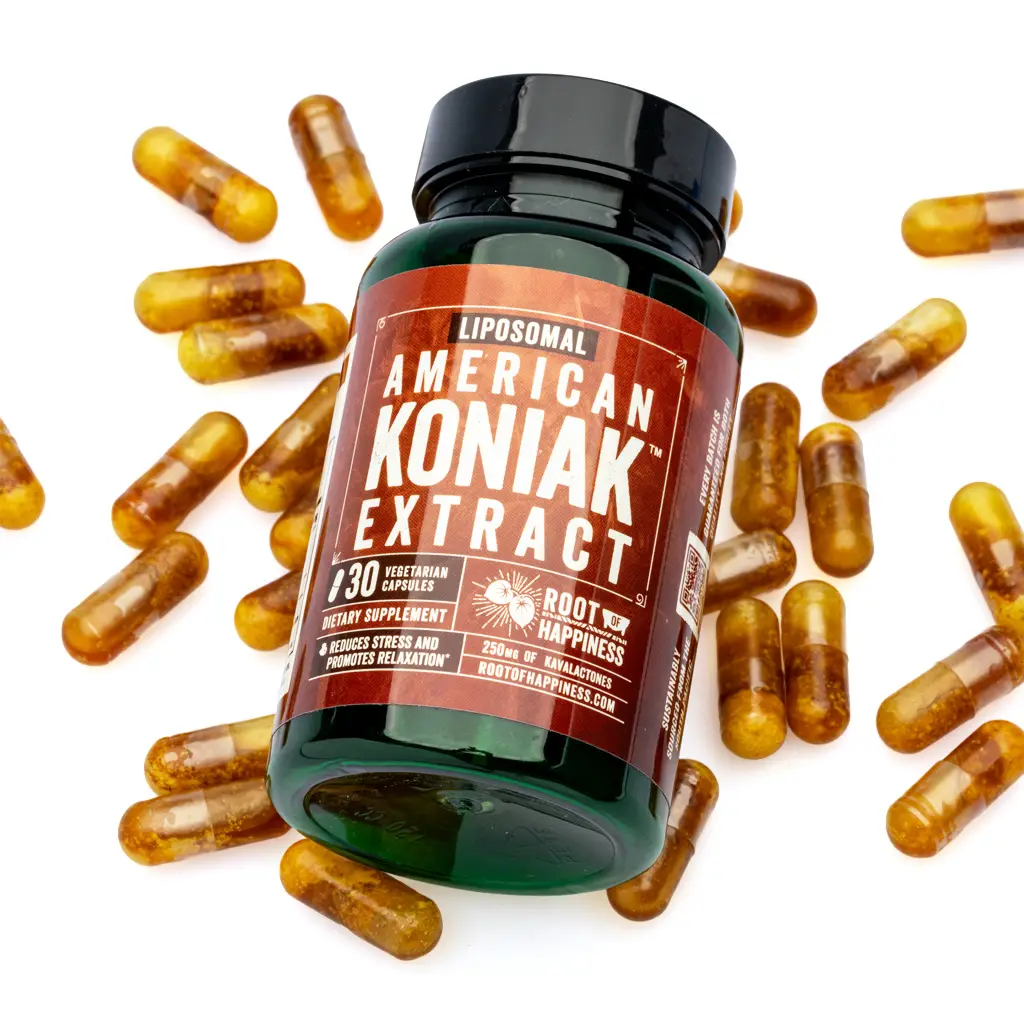
Root of Happiness Premium Kava Root Extract Capsules – Liposomal American Koniak
$29.95 -
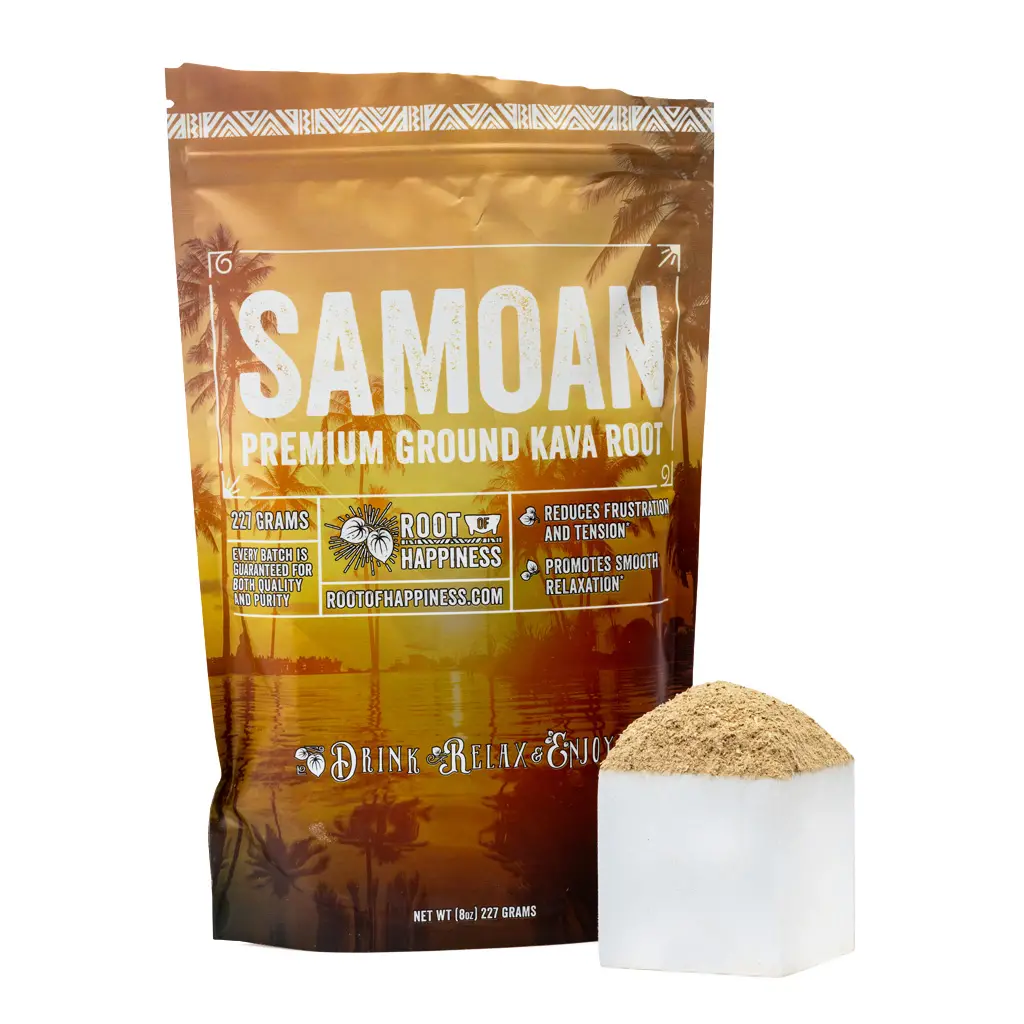
Root of Happiness Premium Ground Kava Root – Samoan
$34.95 -
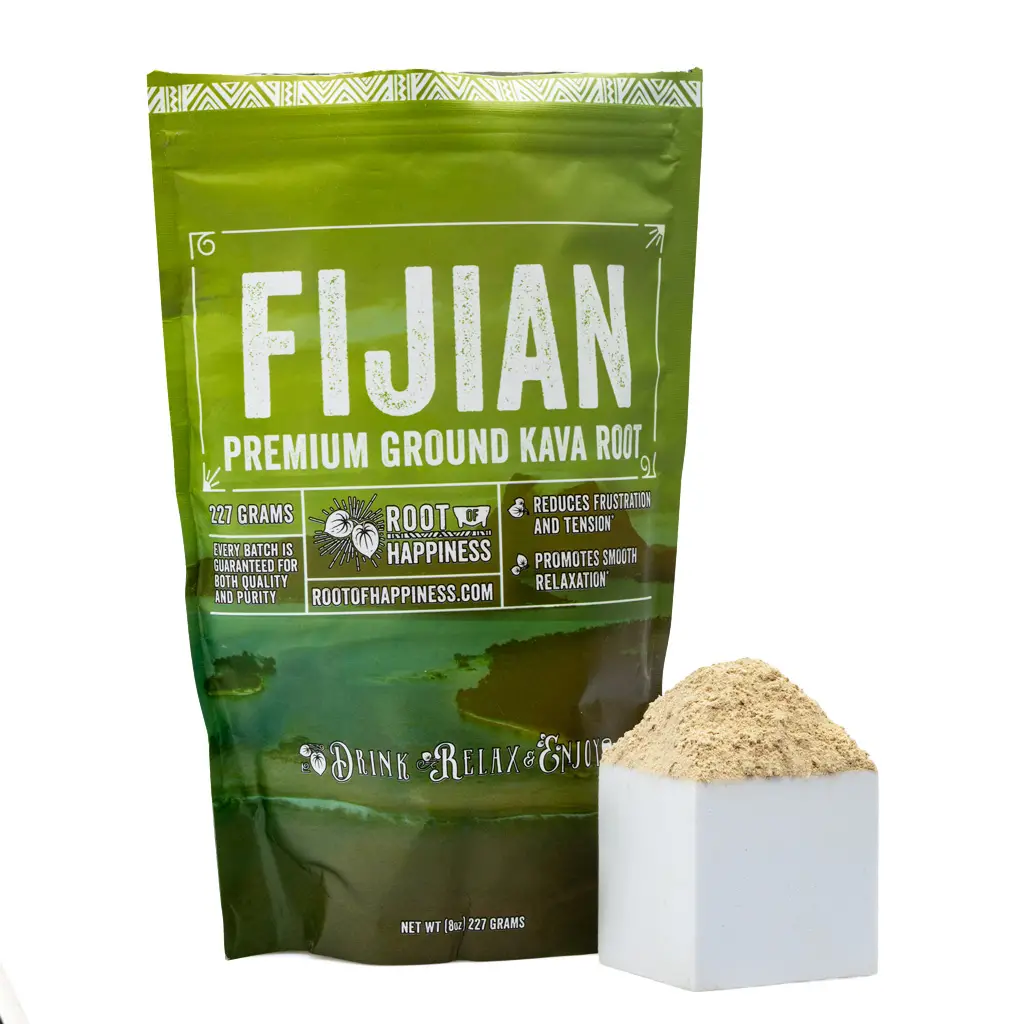
Root of Happiness Premium Ground Kava Root – Fijian
Original price was: $34.95.$32.95Current price is: $32.95. -
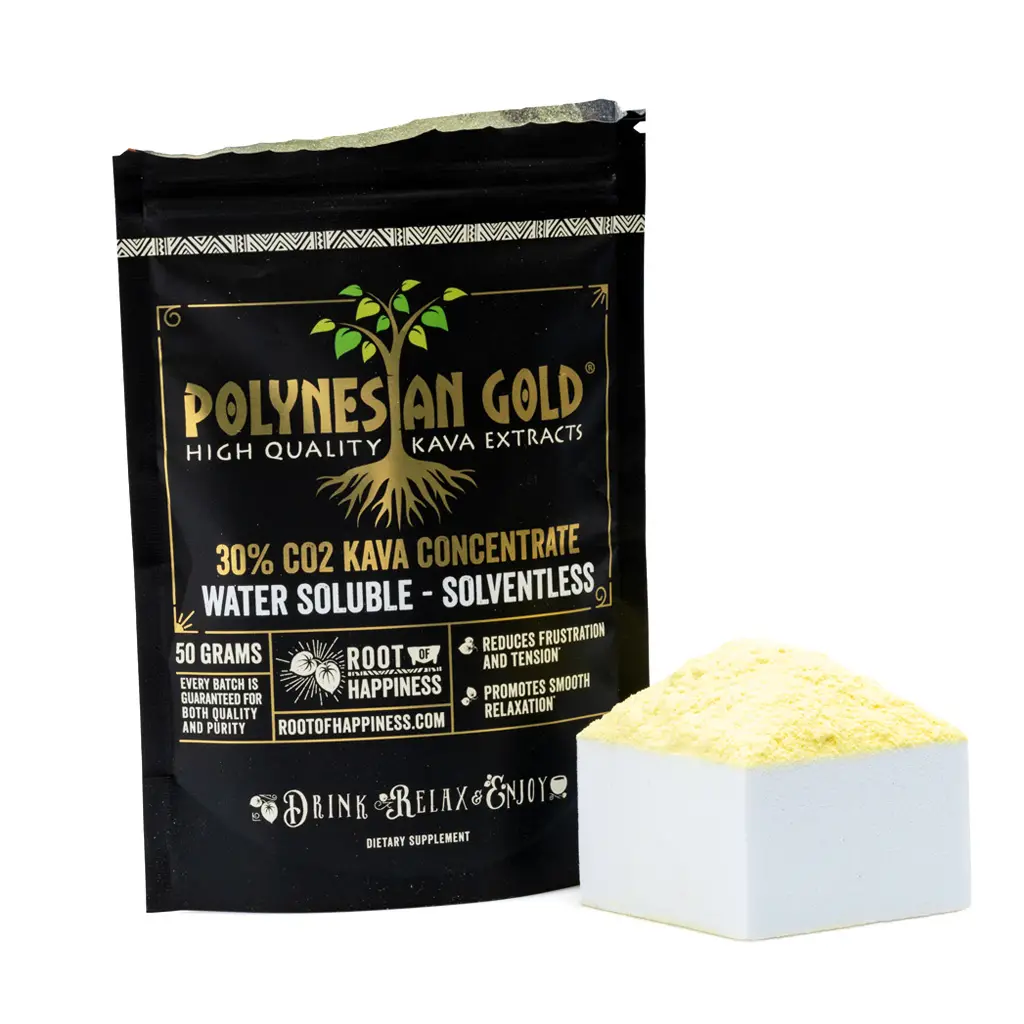
Root of Happiness Polynesian Gold Kava Extract
$64.95 -
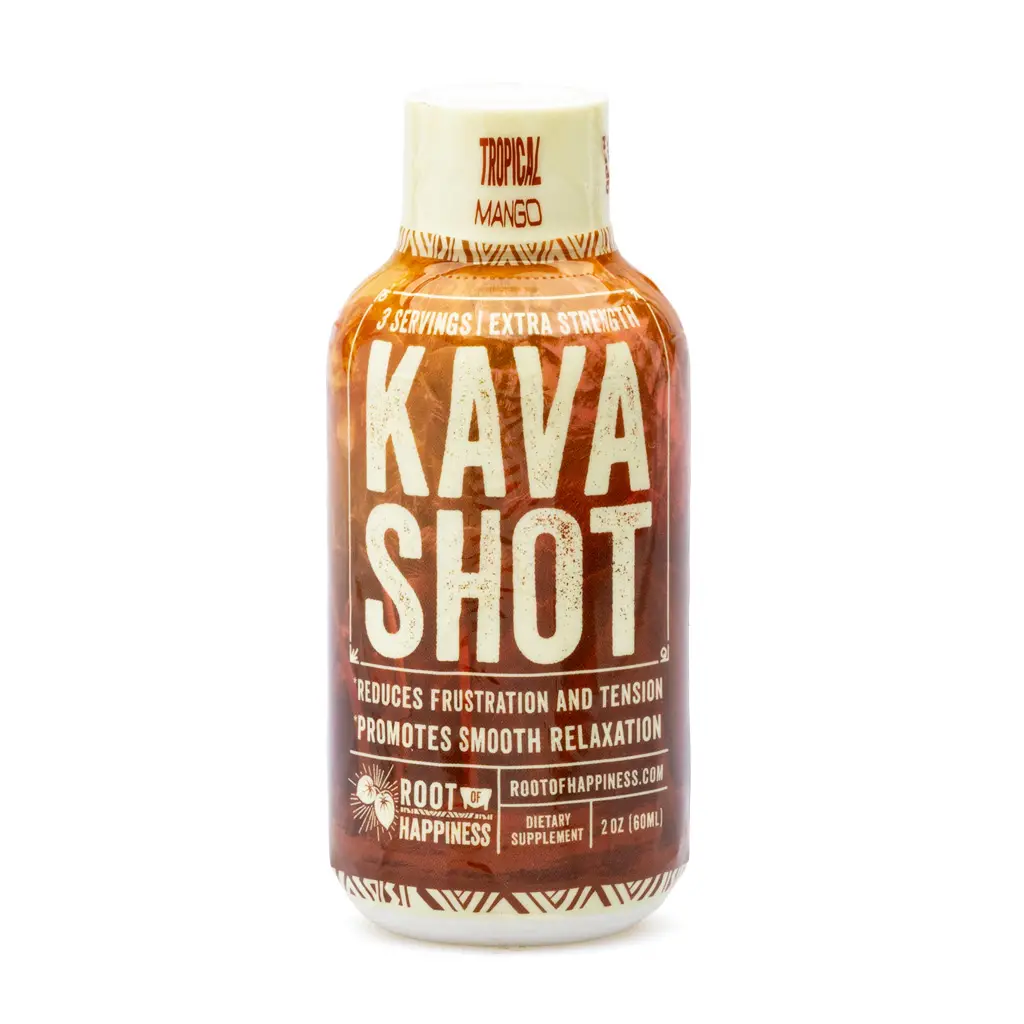
Root of Happiness Extra Strength Kava Shot – Tropical Mango
$6.95 -
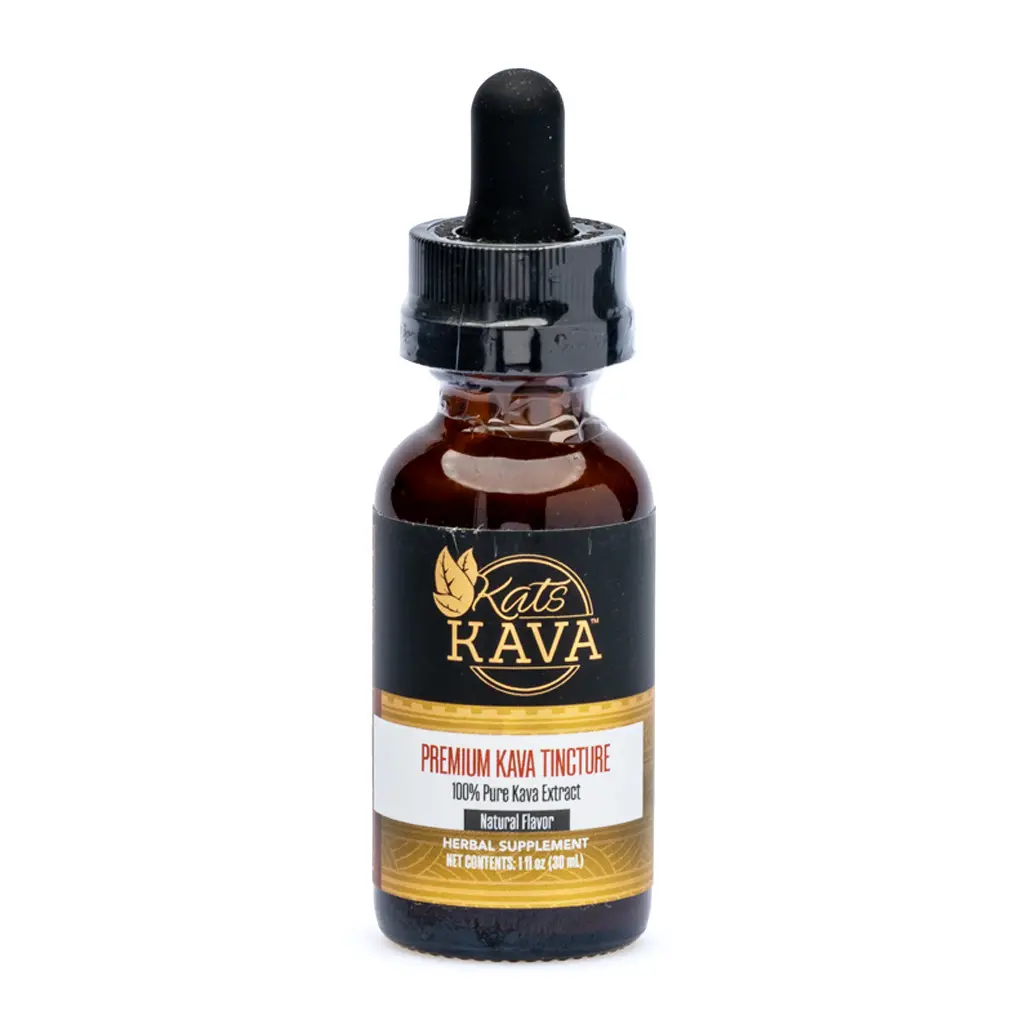
Kats Botanicals Premium Kava Tincture
$29.95 -
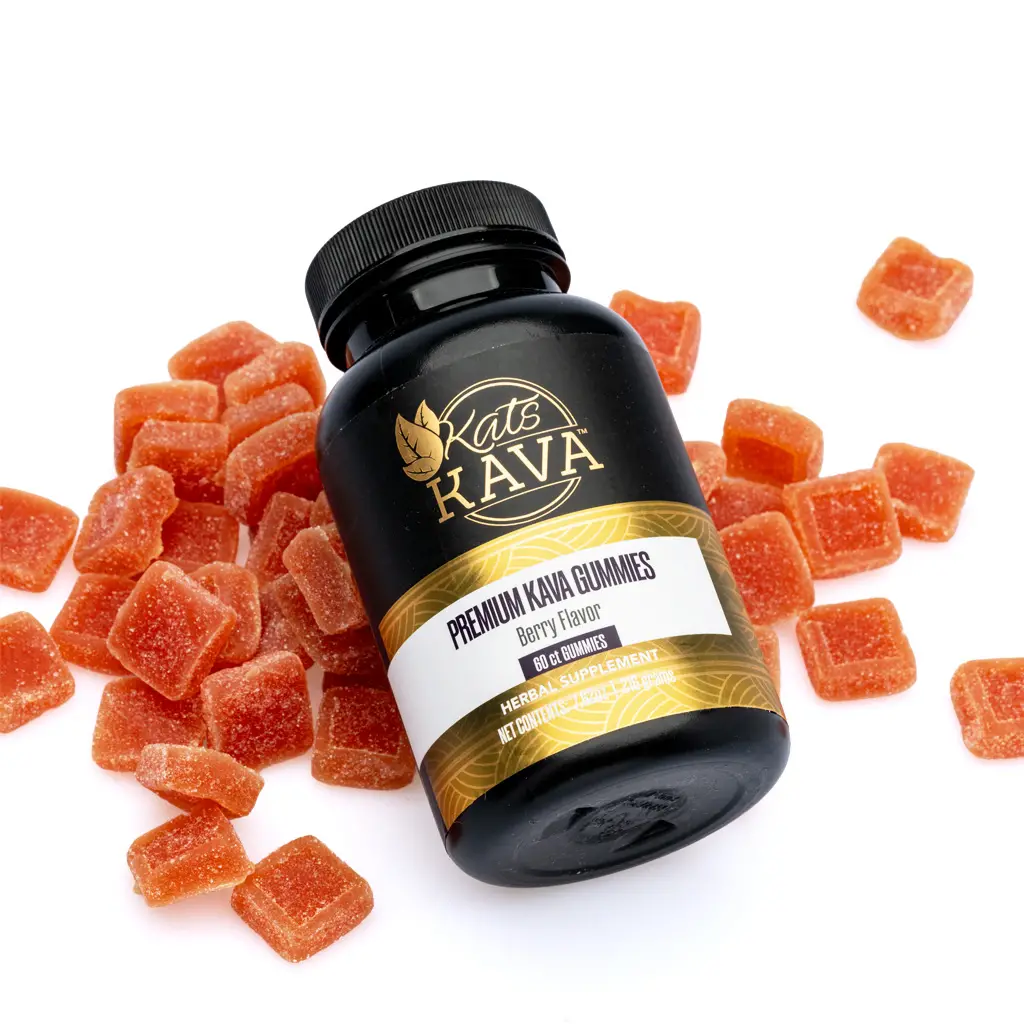
Kats Botanicals Premium Kava Gummies Berry – 60 Count
$49.95 -
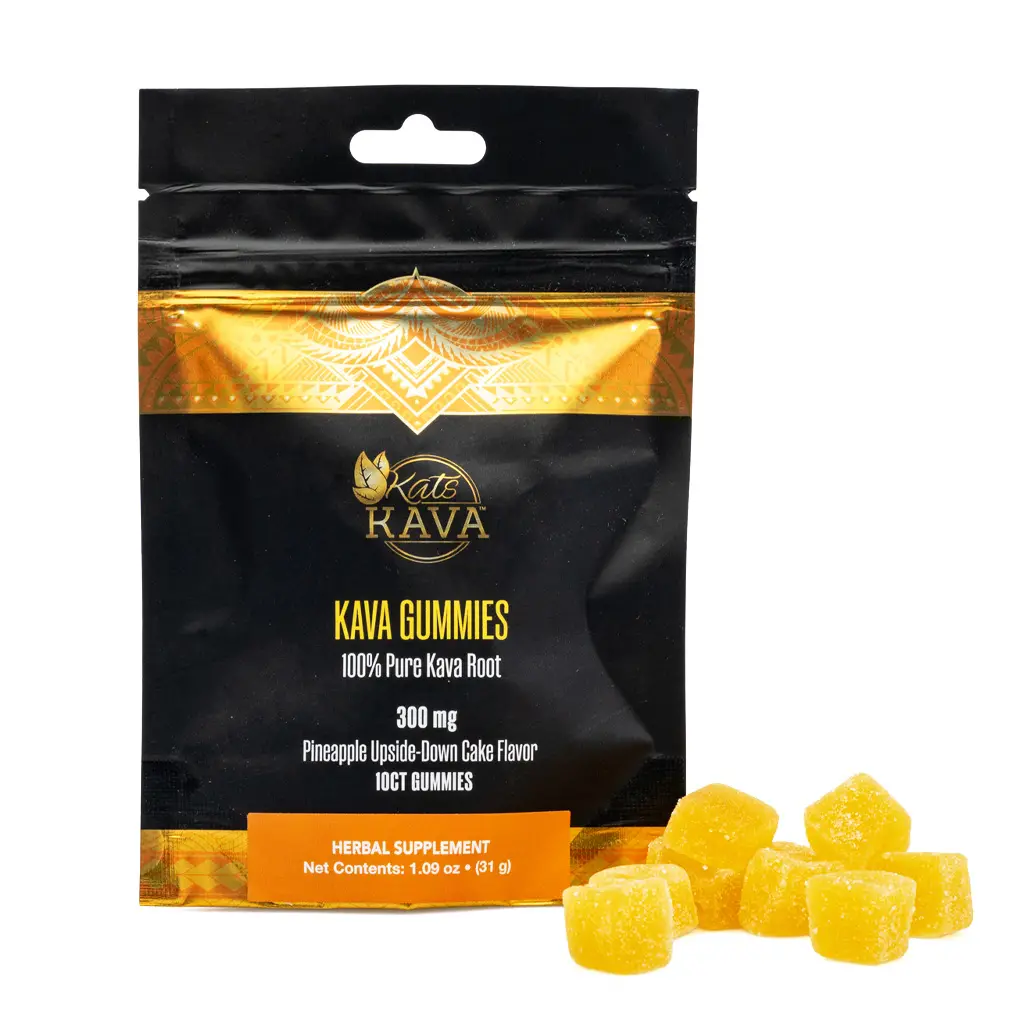
Kats Botanicals Premium Kava Gummies Pineapple Upside Down Cake – 10 Count
$16.95 -
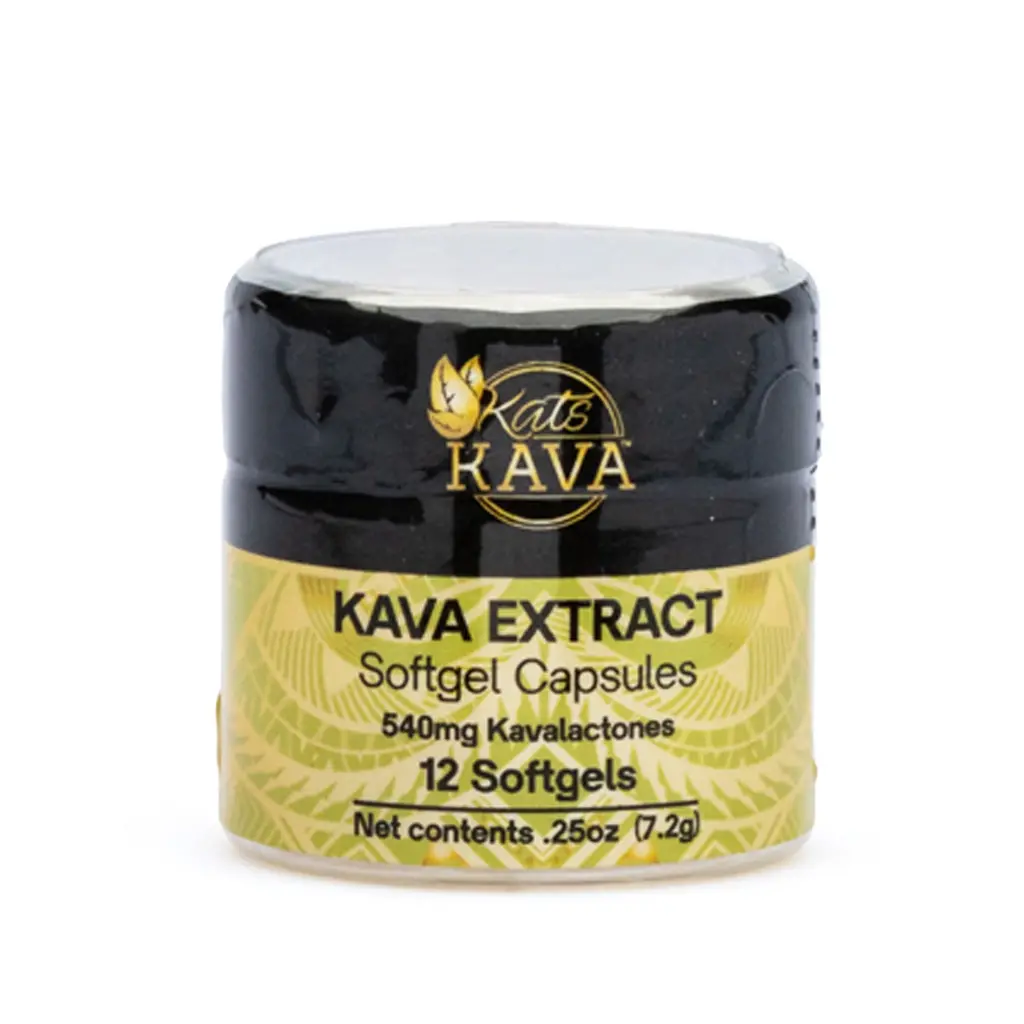
Kats Botanicals Kava Extract Softgel Capsules
$23.95
Kava

Kava has been a social drink in the South Pacific for centuries. It's prepared from the root of the Piper methysticum plant and shared in gatherings across Fiji, Vanuatu, and Tonga. People come to it today for much the same reason it became a fixture there: social ease and physical relaxation, a softer edge to the evening without alcohol.
The active compounds in kava are called kavalactones, and they're what most people mean when they compare one product to another. Our selection covers the ways people actually drink and take kava: traditional root powders for those who want the full brewing ritual, instant kavas that mix straight into water, tinctures and concentrates for a faster, measured serving, and capsules and gummies for anyone who'd rather skip the earthy taste entirely. Each format feels a little different. Brewed root tends to come on gradually and settle in, tinctures and concentrates work faster, and gummies sit comfortably in between: familiar, gentle, and easy to dose.
Every product here is sourced from noble kava cultivars, the varieties traditionally grown for daily drinking, and tested for kavalactone content, so you know what you're getting before it arrives. If you're comparing options, the product pages break down kavalactone strength, origin, and preparation so you can match a kava to how you plan to use it.
If you're new to kava, start gentle. A single serving of a milder root, an instant kava, or a gummy is a forgiving introduction, and you can always adjust from there. Many people describe the first effect as a slight numbing of the mouth followed by a relaxed, sociable calm. Present, not foggy.
FAQs
What does kava feel like?
Most people report a calm, sociable ease: relaxed body, clear head. It's often compared to unwinding with a drink after work, but without the impairment or the hangover. Effects vary by cultivar and serving size, and brewed kava tends to build more gradually than concentrates or tinctures.
Is kava legal?
Yes, kava is legal to buy and consume in the United States. It's sold as a dietary supplement, which means it isn't FDA-approved to treat any condition, and we don't frame it that way.
What's the difference between traditional and instant kava?
Traditional kava is ground root that you knead and strain in water. It takes about ten minutes and produces the classic earthy brew. Instant kava is a dehydrated extract that dissolves directly into water: faster, smoother-tasting, and usually a bit more concentrated per scoop. Neither is more "correct." They just suit different evenings.
Are gummies and tinctures as strong as traditional kava?
They can be. It depends on the kavalactone content. Gummies and tinctures are made with kava extract rather than whole root, so strength comes down to the extract and the serving size, both listed on each product page. Many people like them for consistent, easy dosing, especially away from home.
Is kava safe to use regularly?
Kava has a long history of regular traditional use, and most people tolerate it well. That said, it shouldn't be combined with alcohol, and anyone taking medications or with liver concerns should talk with a healthcare professional first. Sticking to noble cultivars and reasonable servings is the standard guidance.
Why does kava make my mouth feel numb?
That tingling is the kavalactones at work. It's a normal, temporary effect, often the first sign a kava is active, and it fades within a few minutes.
Kava rewards a little patience. Try a format, pay attention to how your body responds, and adjust from there. Maybe that ends up being the slow ritual of a traditional brew, or maybe it's a gummy on the nightstand or a tincture in your bag. Either way, there's a good starting point here. Shop the full collection and see what fits your evenings.