
Mushroom Blends – Gummies
Showing all 6 resultsSorted by popularity
-

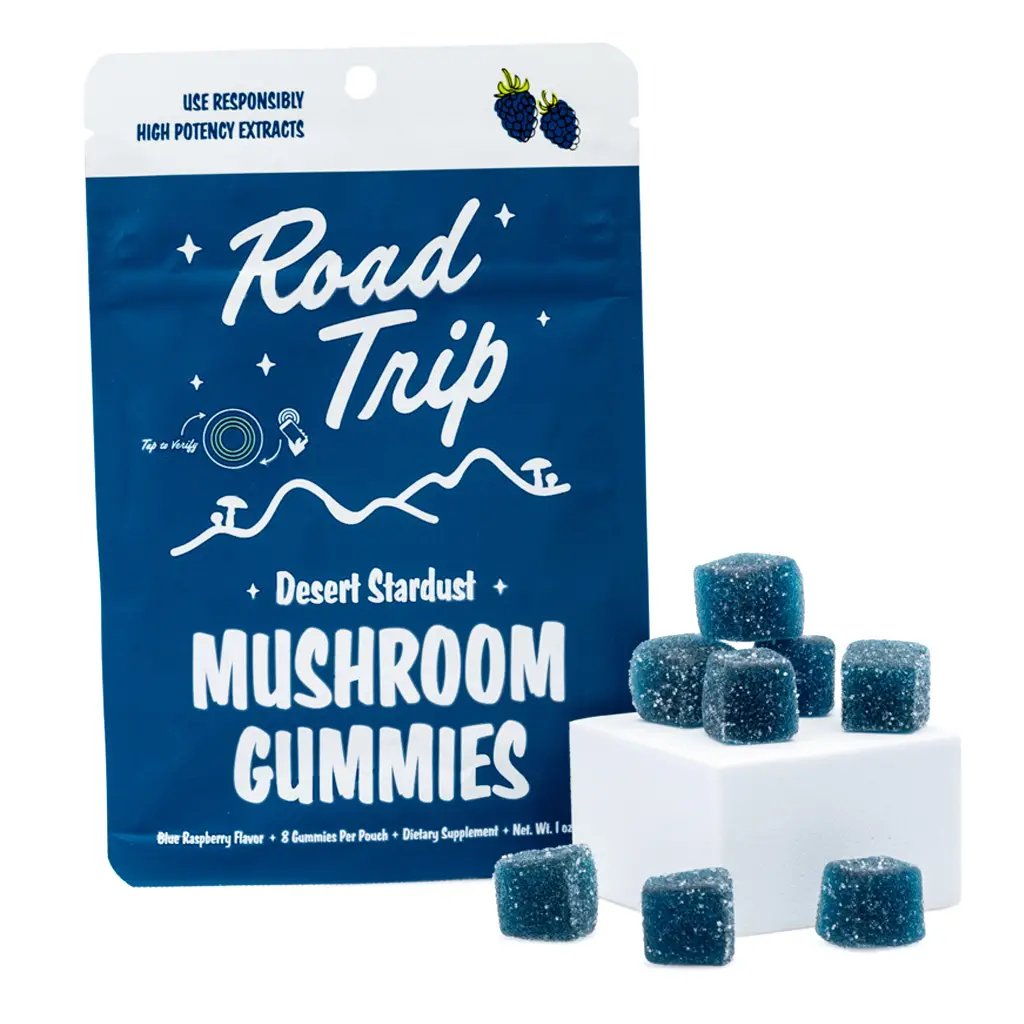
Road Trip Desert Stardust Mushroom Gummies – Blue Raspberry
$34.95 -
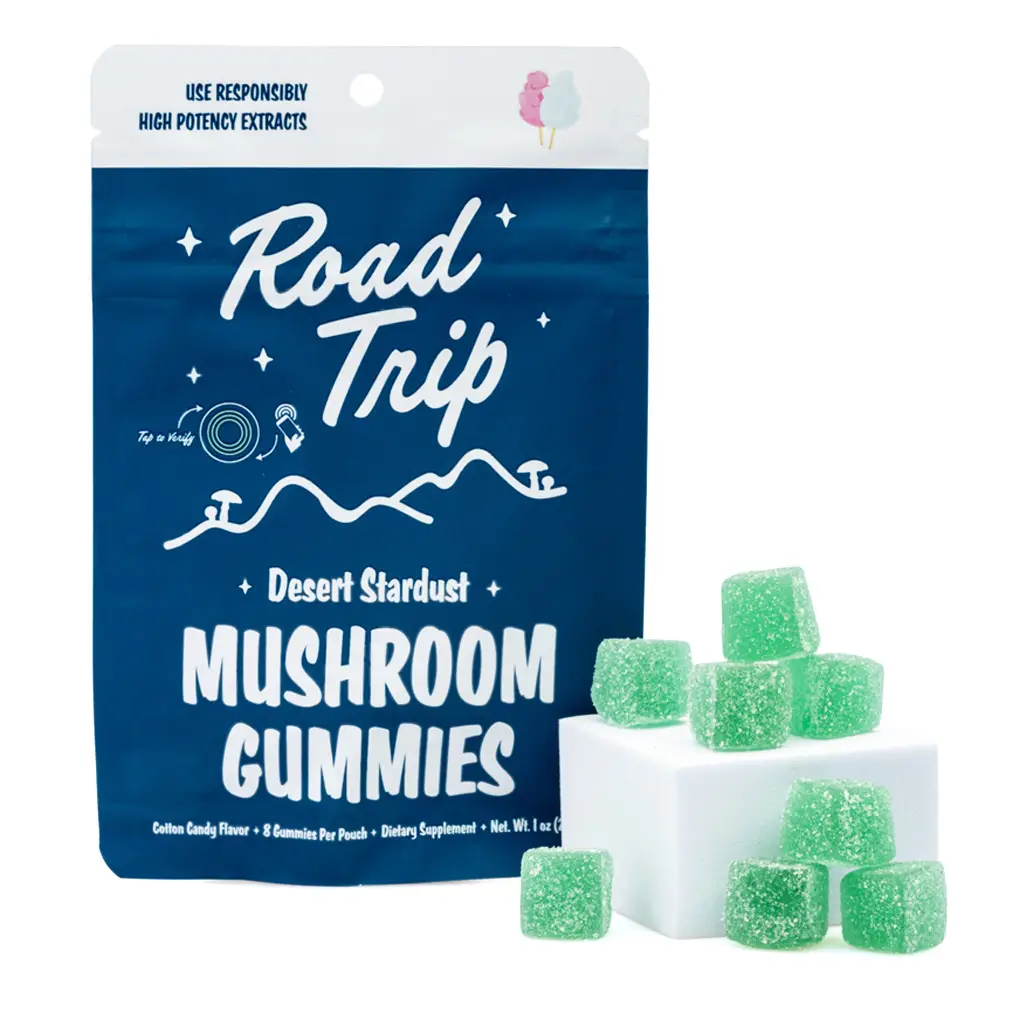
Road Trip Desert Stardust Mushroom Gummies – Cotton Candy
$34.95 -
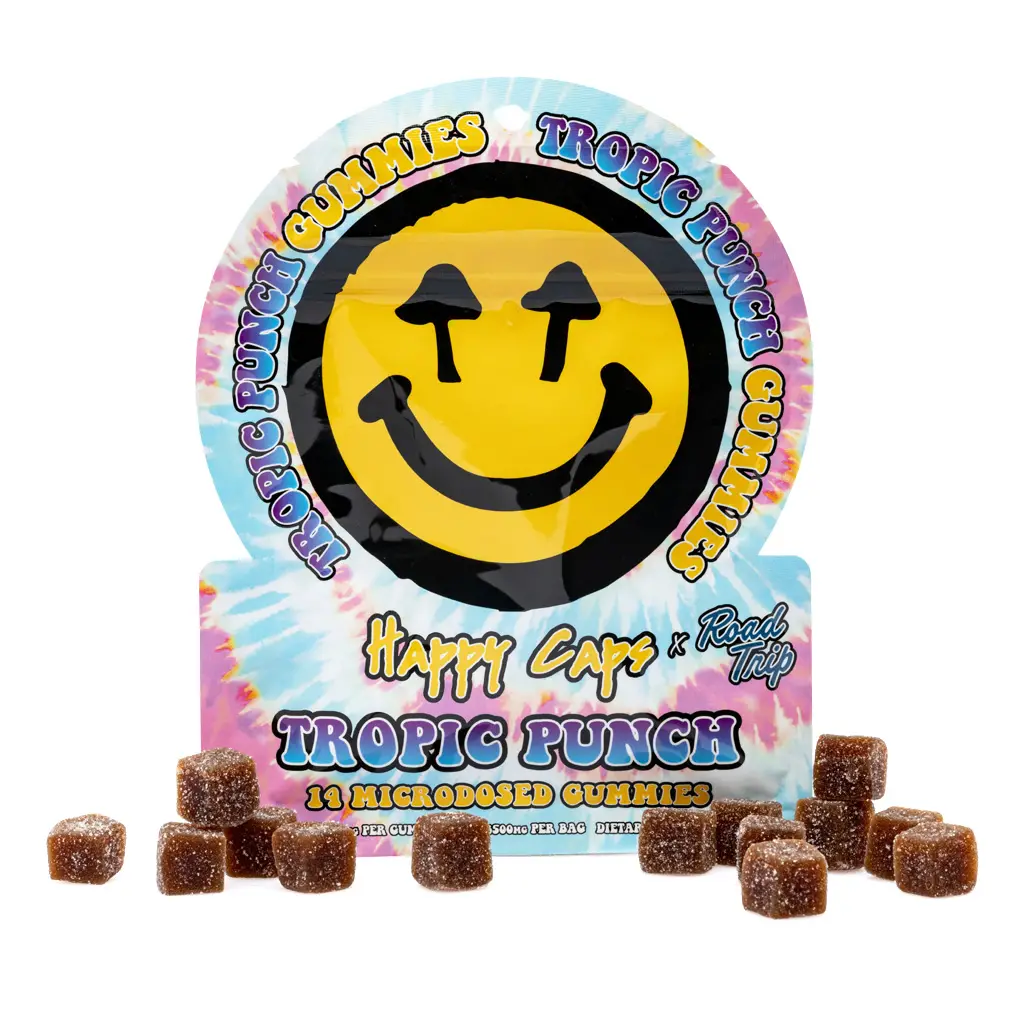
Happy Caps x Road Trip – Microdosed Gummies – Tropic Punch
Original price was: $34.95.$31.95Current price is: $31.95. -
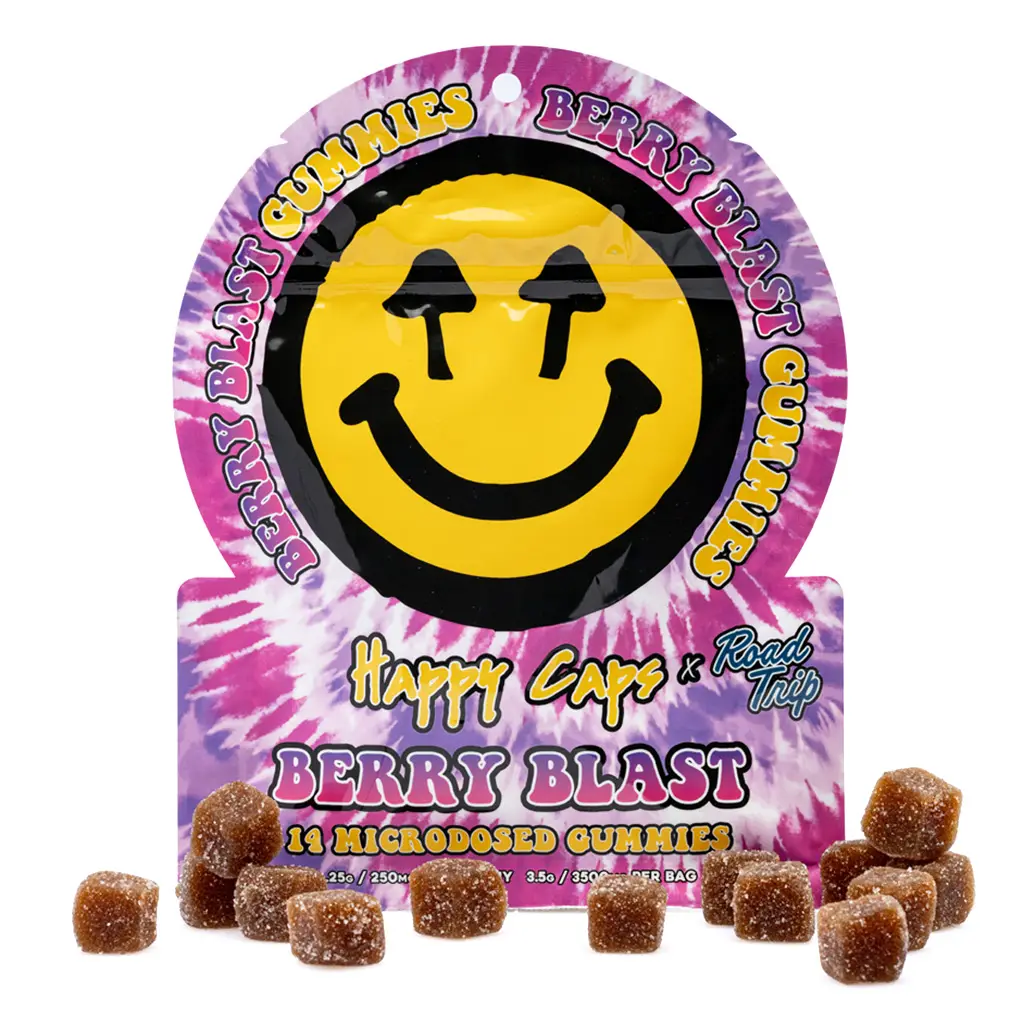
Happy Caps x Road Trip – Microdosed Gummies – Berry Blast
$34.95 -
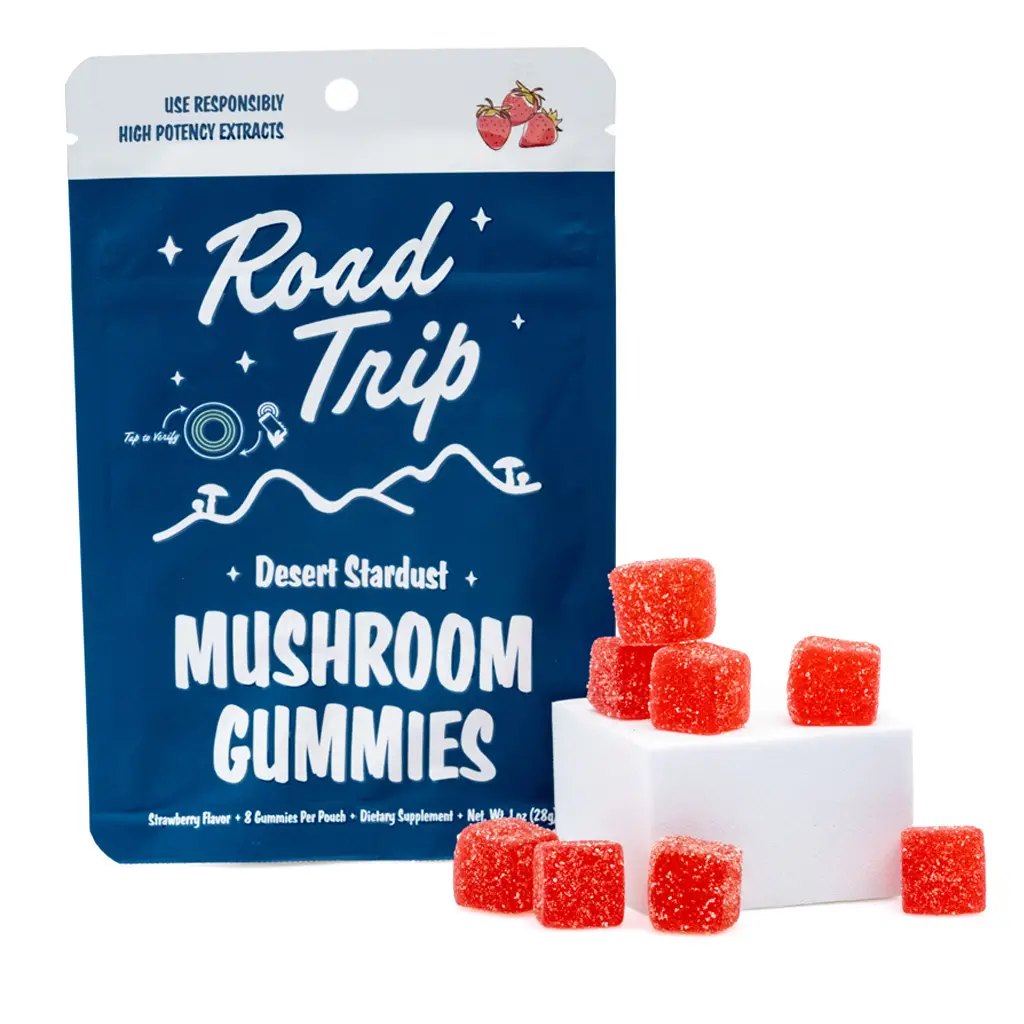
Road Trip Desert Stardust Mushroom Gummies – Strawberry
$34.95 -
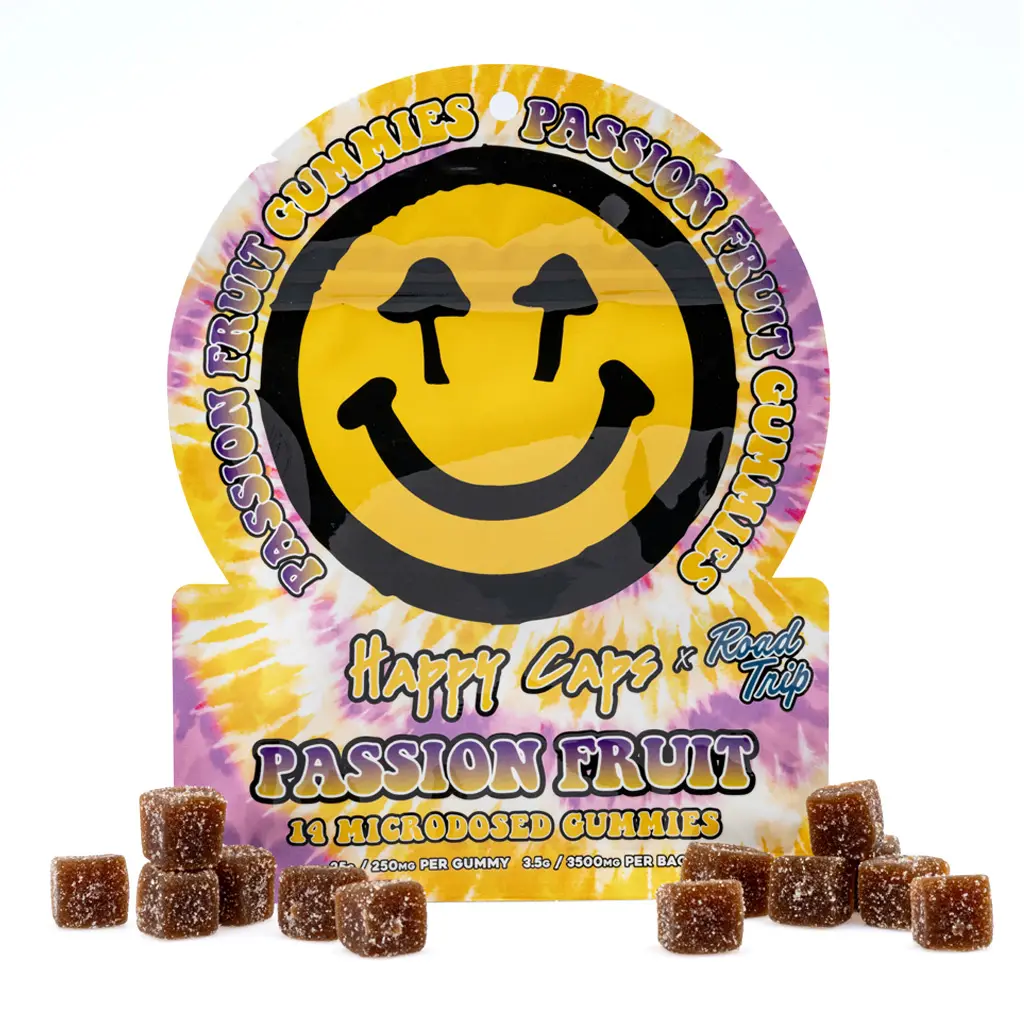
Happy Caps x Road Trip – Microdosed Gummies – Passion Fruit
$34.95
Mushroom Blends – Gummies

Mushroom Blends – Gummies combine functional mushrooms with a maker’s own proprietary ingredients in one chewable format. They suit people who want a simple, measured way to try mushrooms without brewing a tea or weighing out powder. Each gummy carries a set amount, the flavor covers the earthy taste most mushrooms have, and the label tells you what’s inside.
A quick note on terms, because they get mixed up often. Functional mushrooms are species like lion’s mane, reishi, cordyceps, chaga, and turkey tail. People across East Asia, Siberia, and parts of Europe have used them in food and traditional practices for centuries. Mushroom blends are not just several of these mushrooms in one product. They pair two or more functional mushrooms with proprietary ingredients chosen by the maker. That might mean other botanicals, adaptogens such as ashwagandha, vitamins like B12 or D, or a specific ratio of extracts the brand developed itself. Two lion’s mane and cordyceps blends from different makers can be quite different products once you read past the first two ingredients. Mushroom-inspired products are a different thing again. They may use only flavor, or a small amount of extract. The gummies in this category are built around actual mushroom extracts or fruiting body powders plus their supporting ingredients, and the label should say which mushrooms, which form, and which additional ingredients you’re getting. When it doesn’t, we ask.
One thing to watch: the phrase “proprietary blend” on a supplement panel sometimes means the total amount is listed but the individual amounts are not. We prefer labels that break out each ingredient with its quantity, because that’s what lets you compare products and pay attention to how you respond. Where a maker keeps some amounts proprietary, we’ll say so on the product page.
Blends appeal to a lot of people because you don’t have to pick a single mushroom before you know what you respond to, and the added ingredients are usually there to round out a particular purpose the maker had in mind. Lion’s mane is one many people report trying first, often alongside reishi or cordyceps. Research on all of these, and on the botanicals commonly paired with them, is still developing. Much of what has been studied so far is early or small-scale, so we describe them by their traditional use and by what people commonly report, not by outcomes. Every product here needs clear labels, lab testing, and transparent sourcing. If something can’t meet that, we’d rather leave the spot empty.
If you’re new to mushroom gummies, start gently. One gummy, a few days of paying attention, then decide whether to adjust. There’s no rush.
FAQs
What’s the difference between a mushroom blend gummy and a single-mushroom gummy?
A blend combines several mushroom species along with proprietary ingredients the maker has chosen, usually with the idea that they complement each other. A single-mushroom gummy focuses on one species, which makes it easier to notice how that specific mushroom feels for you. Neither is better. Blends are handy for exploring a maker’s formulation, and single-species products become useful once you know what you’re looking for.
What kinds of proprietary ingredients show up in blends?
It varies by maker. Common additions include adaptogenic herbs like ashwagandha or rhodiola, vitamins, black pepper extract, or other botanicals. Some makers also keep their extract ratios proprietary. These ingredients may have their own traditional uses and their own considerations, so read the full panel, not just the mushroom names, and ask us if something isn’t clear.
What does “fruiting body” versus “mycelium” mean on a label?
The fruiting body is the visible mushroom itself. Mycelium is the root-like network it grows from. Products made from mycelium grown on grain can contain a significant amount of that grain, which is why many experienced buyers prefer fruiting body extracts. Both show up in gummies, so it helps to know which one you’re buying.
How many should I take?
Follow the serving size on the label. If you’re new to mushrooms or to any of the added ingredients, consider starting with less than that. People vary a lot in how they respond, so pay attention over several days rather than judging from one gummy.
Ready to find a blend that fits your day? Explore the collection and start gentle.